
Construction of purification engineering
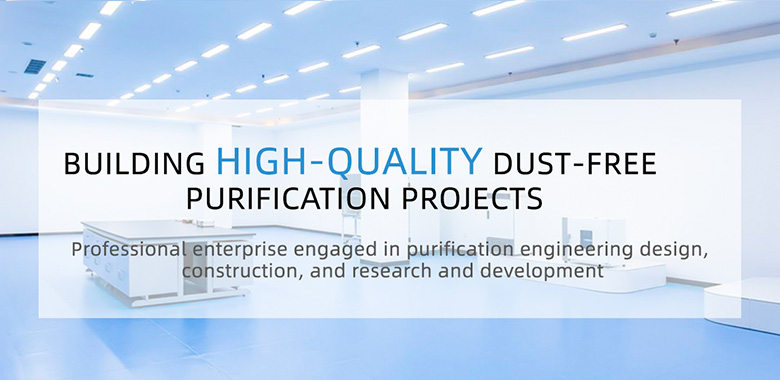
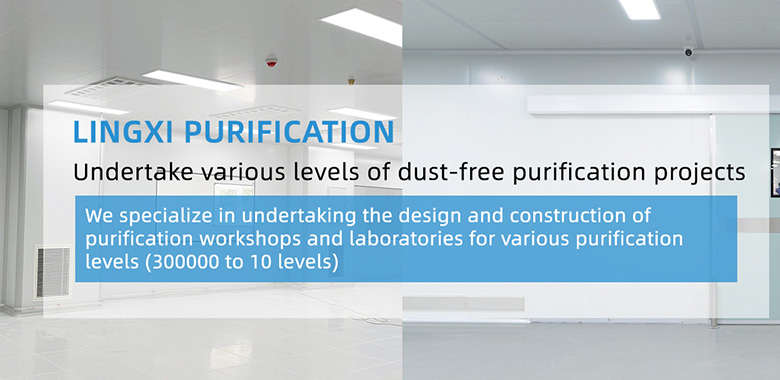
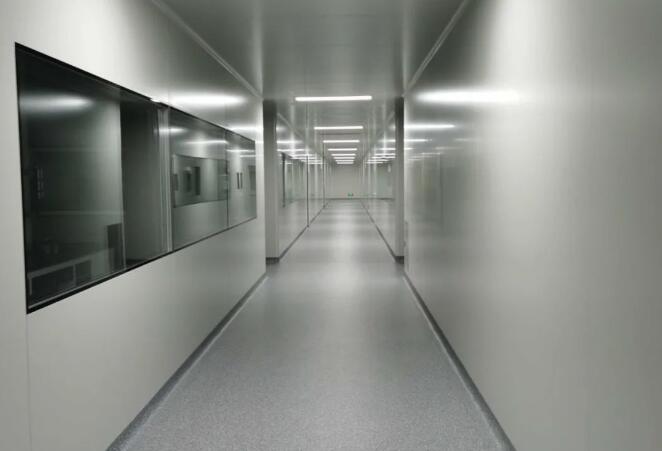
Purification engineering is widely used in places with purification needs such as food, biology, and electronics workshops to ensure the environmental quality of the workshops; The construction process of the purification project is to communicate with each other in the early stage, look at the site, make a preliminary design scheme according to the actual needs, sign a contract after the scheme is determined, carry out construction, and finally conduct commissioning, acceptance and maintenance. There are some precautions to pay attention to in the purification project.
 1、 The construction process of purification engineering
1. Communication and on-site observation
Before proceeding with a project, it is necessary to have sufficient communication with the owner and conduct on-site inspections to understand what the other party wants in order to determine and provide a reasonable plan.
2. Design
The purification engineering company has made a preliminary design plan based on preliminary communication and on-site inspection, and made adjustments according to the actual needs of the owner.
3. Plan exchange
The formation of a plan often requires multiple communications to determine the final plan.
4. Sign a contract
This is a process of business negotiation. Before the construction of the project, a contract must be in place to ensure the rights and interests of both parties. This contract should specify various information such as the purification construction process and the cost of the project.
5.Design and construction drawings
After signing the contract, it is very important to produce the construction drawings, as the subsequent purification project will be strictly carried out according to this drawing.
6. Construction
At this stage, construction must be strictly carried out according to the construction drawings.
7. Debugging and testing
After the completion of the project, debugging should be carried out in accordance with the requirements of the contract and the acceptance standards, while checking whether all processes meet the standards.
8. Acceptance
If the inspection is correct, the next step is acceptance. Only after the acceptance is completed can it be put into formal use.
1. Communication and on-site observation
Before proceeding with a project, it is necessary to have sufficient communication with the owner and conduct on-site inspections to understand what the other party wants in order to determine and provide a reasonable plan.
2. Design
The purification engineering company has made a preliminary design plan based on preliminary communication and on-site inspection, and made adjustments according to the actual needs of the owner.
3. Plan exchange
The formation of a plan often requires multiple communications to determine the final plan.
4. Sign a contract
This is a process of business negotiation. Before the construction of the project, a contract must be in place to ensure the rights and interests of both parties. This contract should specify various information such as the purification construction process and the cost of the project.
5.Design and construction drawings
After signing the contract, it is very important to produce the construction drawings, as the subsequent purification project will be strictly carried out according to this drawing.
6. Construction
At this stage, construction must be strictly carried out according to the construction drawings.
7. Debugging and testing
After the completion of the project, debugging should be carried out in accordance with the requirements of the contract and the acceptance standards, while checking whether all processes meet the standards.
8. Acceptance
If the inspection is correct, the next step is acceptance. Only after the acceptance is completed can it be put into formal use.